How Portable Restrooms Can Support Green Waste Solutions

How Portable Restrooms Can Support Green Waste Solutions

Importance of Sustainable Practices in the Portable Sanitation Industry

In recent years, the importance of sustainability and environmental consciousness has gained significant traction across various sectors. One area that often goes overlooked in discussions about green waste solutions is the role of portable restrooms. These mobile sanitation facilities play a crucial part in reducing environmental impact, offering a surprisingly effective way to support ecological initiatives.


Portable restrooms are designed to be both functional and eco-friendly. Unlike traditional restroom facilities, which require extensive plumbing and water usage, portable restrooms operate independently of local water supplies. This independence means that they conserve large amounts of water-a precious resource that is increasingly scarce in many parts of the world. By using advanced low-flush technology and other water-saving features, modern portable restrooms drastically reduce the amount of wastewater generated compared to conventional toilets.


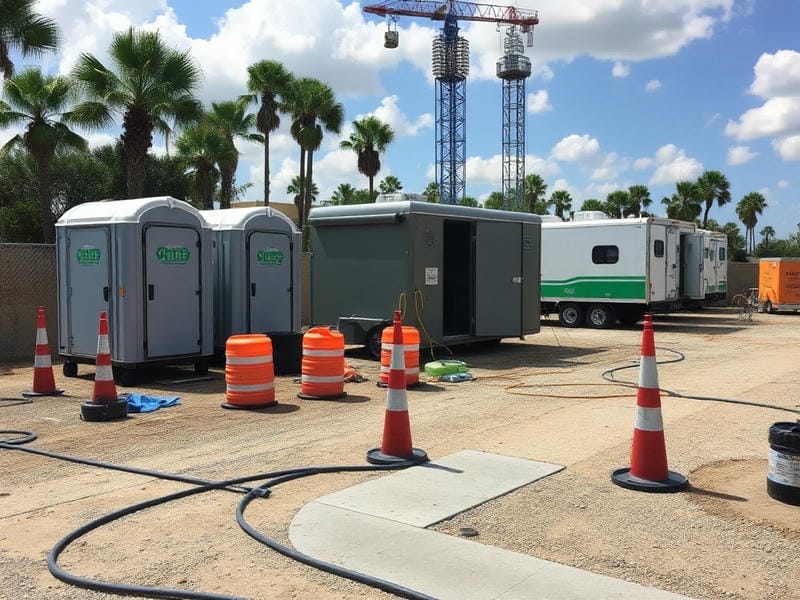
Construction sites depend on portable restrooms to keep operations running smoothly. restroom trailer rental Gainesville pride.

Furthermore, portable restrooms contribute to waste management by preventing contamination of natural resources. In outdoor events or construction sites where no permanent facilities exist, these units provide a contained environment for waste collection. The proper disposal and treatment of human waste prevent harmful pathogens from entering ecosystems, thereby protecting wildlife and plant life from potential hazards. Moreover, many companies now offer environmentally friendly options with biodegradable chemicals for odor control and sanitation, further minimizing their ecological footprint.


The materials used in constructing portable restrooms also reflect a commitment to sustainability. Many units are made from recyclable materials such as high-density polyethylene (HDPE), which not only ensures durability but also reduces the need for new raw materials. Additionally, some manufacturers have begun using solar panels to power ventilation systems within these restrooms, cutting down on electricity consumption while promoting renewable energy use.


Beyond their physical design and function, portable restrooms support broader green waste solutions by facilitating recycling efforts at large gatherings or remote sites. They can be equipped with separate bins for different types of waste-such as paper towels or bottles-encouraging users to participate in recycling programs even when they're away from home or office environments.


Moreover, companies providing portable restroom services are increasingly adopting sustainable practices throughout their operations. From utilizing energy-efficient vehicles for transportation to implementing comprehensive cleaning processes that minimize chemical use and water consumption, these businesses strive to align themselves with eco-friendly standards.


In conclusion, while often taken for granted or seen merely as a convenience during outdoor events or construction projects, portable restrooms are pivotal players in supporting green waste solutions. Through water conservation efforts, prevention of environmental contamination, use of sustainable materials and technologies, promotion of recycling initiatives, and adoption of greener business practices-they embody a multifaceted approach to reducing environmental impact. As society continues its journey towards greater sustainability awareness-it's essential not only to recognize-but actively incorporate-the contributions made by such innovative sanitary solutions into our collective efforts toward preserving our planet's health for future generations.
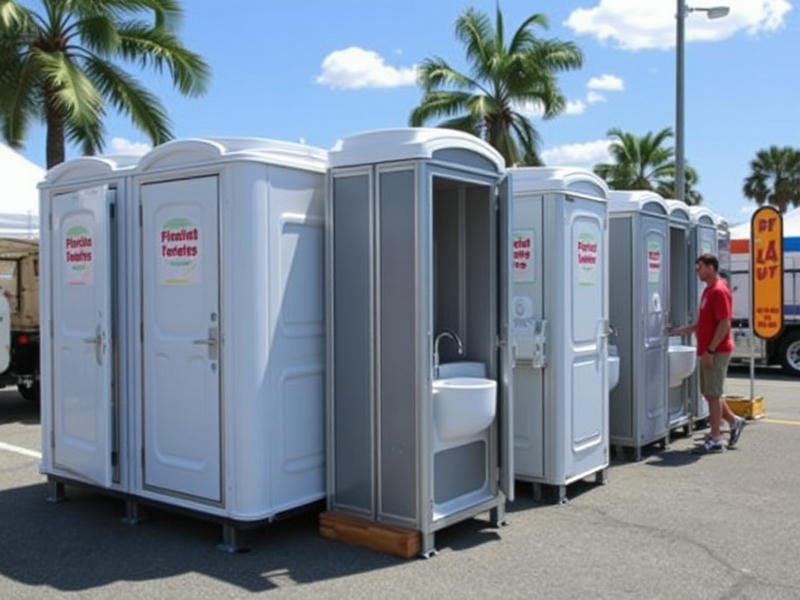
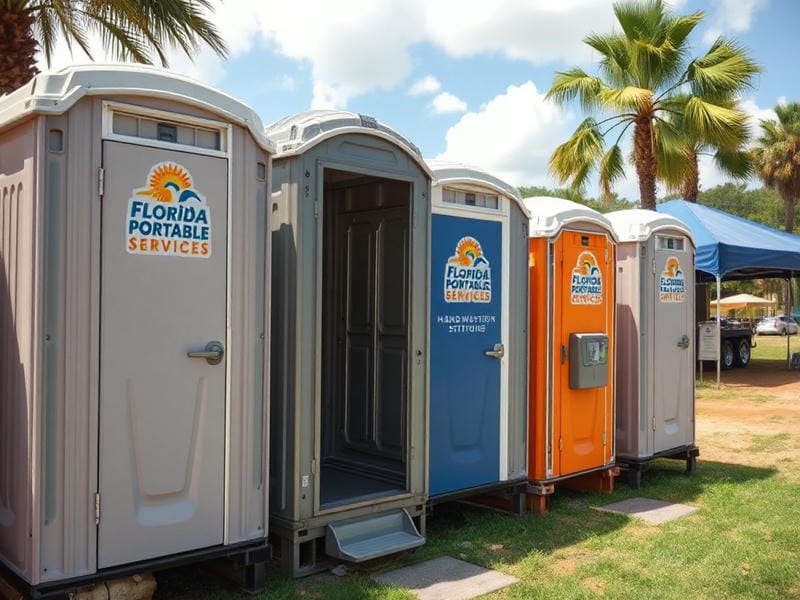
In recent years, the intersection of environmental consciousness and industrial innovation has carved a path for sustainable practices across various sectors. One such area that has seen significant evolution is the field of portable restrooms. Once simple conveniences designed for temporary use at events or construction sites, portable restrooms are now increasingly being reimagined as key players in the movement towards green waste solutions.


At the heart of this transformation is the adoption of sustainable materials and technologies. Traditional portable restrooms often relied on non-biodegradable plastics and chemical-laden cleaning agents. However, modern iterations are embracing eco-friendly materials such as recycled plastics, bioplastics made from renewable resources like corn starch, and even bamboo composites. These materials reduce environmental impact during production and ensure that once these units reach the end of their lifecycle, they contribute minimally to landfill waste.


Technological advancements further enhance the sustainability profile of these essential facilities. For instance, waterless or low-flush systems significantly decrease water usage-a critical factor given global water scarcity concerns. Some advanced models incorporate solar panels to power ventilation systems or lighting, reducing reliance on non-renewable energy sources.


Composting toilets within portable restrooms represent another stride towards eco-friendliness. These systems convert human waste into compost through natural processes involving bacteria and oxygen. Not only does this method reduce waste volume by up to 90%, but it also generates nutrient-rich compost that can be used to enrich soil rather than contributing to sewage treatment burdens.


Moreover, emerging technologies in waste processing allow for innovative recycling methods where waste from portable restrooms can be converted into biofuels or fertilizers. This closed-loop system not only minimizes landfill contributions but also transforms potential pollutants into valuable resources.


Beyond materials and technology, there's an increasing push towards integrating portable restrooms into broader green initiatives at events or construction sites. Event organizers are now more conscious about minimizing their carbon footprint by choosing suppliers who prioritize sustainability in their operations-from using biodegradable hand soaps to ensuring efficient logistics that minimize transport emissions.


The shift toward greener portable restroom solutions reflects a growing recognition within industries that every aspect of our lives-including sanitation-can be optimized for environmental responsibility. By leveraging sustainable materials and cutting-edge technologies, portable restrooms not only meet immediate human needs but also contribute to long-term ecological balance.


How Portable Restrooms Can Support Green Waste Solutions - north central Florida

  1. air conditioning
  2. NHRA Gatornationals
  3. pride

In conclusion, as societies continue to grapple with pressing environmental challenges, innovations in everyday conveniences like portable restrooms underscore a powerful message: sustainability is achievable through thoughtful design and conscientious choices. As we embrace these greener alternatives, we pave the way for a future where convenience does not come at the cost of our planet's well-being but instead supports systemic solutions for managing green waste responsibly and effectively.

Sustainable Waste Management Enhanced by Green Portable Restroom Rentals

Sustainable Waste Management Enhanced by Green Portable Restroom Rentals

The future of sustainable waste management practices holds immense promise, particularly with the innovative integration of green portable restroom rentals.. As our global population continues to burgeon, so does the volume of waste we generate.

Posted by on 2024-10-14

The Role of Portable Restrooms in Sustainable Waste Management Strategies

The Role of Portable Restrooms in Sustainable Waste Management Strategies

In recent years, the conversation surrounding sustainability has expanded beyond traditional sectors to include more nuanced areas such as waste management.. One area that has emerged as both a challenge and an opportunity is the integration of portable restrooms into sustainable waste management strategies.

Posted by on 2024-10-14

Portable Restrooms Drive Change in Sustainable Waste Management Practices

Portable Restrooms Drive Change in Sustainable Waste Management Practices

The future outlook for portable restrooms is increasingly optimistic as they become pivotal in global sustainability efforts.. Traditionally viewed as mere conveniences at outdoor events or construction sites, these mobile facilities are now being recognized for their potential to drive change in sustainable waste management practices. At the heart of this shift is the growing awareness of the environmental impact of human waste.

Posted by on 2024-10-14

Festival Waste Management Goes Green with Eco-Friendly Portable Restrooms

Festival Waste Management Goes Green with Eco-Friendly Portable Restrooms

As global awareness of environmental issues continues to grow, the management of festival waste has emerged as a critical area for innovation.. Festivals, beloved for their celebration of music, culture, and community, are also notorious for generating enormous amounts of waste.

Posted by on 2024-10-14

Innovative Eco-Friendly Solutions and Technologies for Waste Disposal

In today's rapidly urbanizing world, the importance of efficient waste collection and disposal systems cannot be overstated. As we strive to create sustainable environments, the role of portable restrooms in supporting green waste solutions becomes increasingly relevant. These mobile sanitation units are not only convenient but can also be pivotal in reducing the environmental impact associated with traditional waste management practices.


Portable restrooms, often seen at construction sites, outdoor events, and remote locations, have evolved significantly over the years. Modern designs prioritize not just user comfort and hygiene but also environmental sustainability. At their core, portable restrooms provide a streamlined solution for waste management by collecting human waste efficiently and containing it until proper disposal is possible.

How Portable Restrooms Can Support Green Waste Solutions - toilet

  1. trunk
  2. blog
  3. agriculture
This containment minimizes direct contamination of natural resources such as soil and water bodies.


One of the key aspects of integrating portable restrooms into green waste solutions is their potential for reducing water usage. Traditional bathrooms require substantial amounts of water for flushing and cleaning. In contrast, many modern portable units employ low-water or even waterless technologies that drastically cut down on water consumption. By using chemicals or other advanced methods to treat waste within these units, they ensure sanitary conditions while conserving one of our planet's most precious resources.


Moreover, advancements in waste treatment technologies mean that the contents collected from portable restrooms can be processed in environmentally friendly ways. For instance, some companies have developed systems where human waste is converted into biogas-a renewable energy source-or composted to produce nutrient-rich fertilizers for agriculture use. Such innovations highlight how portable restrooms can contribute positively to closed-loop ecological cycles.


The materials used in constructing these units also reflect a growing commitment to sustainability. Manufacturers are increasingly opting for recycled or eco-friendly materials that further reduce the carbon footprint associated with production and transportation processes. Additionally, solar panels can be incorporated into restroom designs to power ventilation systems or lighting without relying on external electricity sources.


Incorporating efficient waste collection and disposal systems within portable restrooms aligns seamlessly with broader efforts towards greener infrastructure. They offer flexible yet robust solutions that cater to temporary needs without compromising environmental integrity-crucial as we face mounting pressures from climate change and population growth.


To maximize their potential as green allies, it is essential that municipalities and event organizers alike recognize the value these units bring beyond mere convenience. Encouraging widespread adoption through incentives or regulations could pave the way for significant reductions in both resource usage and pollution levels across communities worldwide.


In conclusion, portable restrooms represent an innovative step forward in sustainable sanitation practices when integrated thoughtfully within larger ecological frameworks. By focusing on efficiency from design through to disposal stages-and leveraging cutting-edge technologies along each phase-they offer practical pathways toward achieving greener cities while meeting everyday human needs with care and foresight.

Innovative Eco-Friendly Solutions and Technologies for Waste Disposal

Benefits of Implementing Green Practices in Portable Restroom Services

In recent years, the emphasis on sustainability and eco-friendliness has permeated various aspects of our lives, including the organization of events. As large gatherings continue to be a staple of social interaction and cultural expression, event planners are increasingly tasked with minimizing their environmental footprint. One innovative solution that has emerged in this arena is the strategic use of portable restrooms designed to support green waste solutions.


Portable restrooms have long been a practical necessity at events, but their integration into eco-friendly initiatives is a relatively new development. These units are now being reimagined not just as conveniences but as pivotal components of sustainable event management strategies.


A key aspect of this integration is the utilization of portable restrooms that employ advanced technologies to treat and manage waste efficiently. Modern units can include features such as waterless urinals, composting toilets, and solar-powered lighting systems. By reducing water usage and relying on renewable energy sources, these restrooms significantly diminish the environmental impact typically associated with traditional sanitation facilities.


One case study exemplifying successful integration can be drawn from an annual music festival known for its commitment to sustainability. The organizers opted for portable restrooms equipped with state-of-the-art composting technology. This decision resulted in a dramatic reduction in both water usage and waste output. The compost generated from these restrooms was repurposed as fertilizer for local farms, creating a closed-loop system that benefited the surrounding community while reinforcing the festival's green credentials.


Another notable instance occurred at an international sports event where portable restrooms played a crucial role in supporting zero-waste goals. Event planners collaborated with vendors to ensure all materials used during the event were biodegradable or recyclable. Portable restroom units collected organic waste separately, which was then processed off-site into biogas-a renewable energy source-demonstrating how such facilities can be integral to comprehensive waste management plans.


The success stories do not end there; countless other events have similarly adopted portable restroom solutions as part of their broader environmental strategies. Whether it's through reducing emissions by opting for locally-sourced construction materials or utilizing greywater recycling systems within restroom units themselves, these examples highlight how versatile and impactful sustainable sanitation options can be.


By incorporating portable restrooms into their green initiatives, event organizers not only address immediate logistical challenges but also contribute to long-term environmental stewardship. Moreover, attendees are often more receptive to participating in eco-conscious practices when they see tangible efforts being made by event hosts-enhancing overall public awareness and engagement in sustainability issues.


In conclusion, as we continue to explore innovative ways to mitigate our impact on the planet while still enjoying communal experiences like festivals and sporting events, portable restrooms offer an effective means of supporting green waste solutions. Through thoughtful design choices and strategic implementation, they serve as compelling evidence that convenience need not come at nature's expense-it can instead become part of its preservation narrative.

Case Studies Highlighting Successful Eco-Friendly Waste Management Initiatives

In recent years, the movement towards sustainable living and green initiatives has gained momentum, with communities and organizations striving to reduce their environmental impact. One often overlooked yet significant component of this effort is the use of portable restrooms. These facilities, traditionally associated with convenience rather than sustainability, can play a crucial role in supporting green waste solutions and enhancing eco-friendly practices.


First and foremost, portable restrooms are designed to minimize water usage. Unlike traditional toilets that can consume up to seven gallons of water per flush, modern portable restrooms utilize innovative technology that significantly reduces water consumption. Some models even operate with no water at all, using chemical treatments or composting methods instead. This conservation of water is particularly beneficial at outdoor events or construction sites where plumbing infrastructure may be limited or unavailable.


Additionally, many portable restroom providers have adopted environmentally friendly waste management systems. Waste collected in these units can be transported to specialized treatment facilities where it undergoes processing to become safe for disposal or even repurposed as fertilizer through composting techniques. This process not only ensures that waste is handled responsibly but also transforms what would have been pollutants into valuable resources.


Moreover, portable restrooms support green initiatives by reducing the energy footprint associated with constructing permanent restroom facilities. Building permanent structures involves significant resource consumption-materials such as concrete and steel require energy-intensive production processes. In contrast, portable restrooms are quick to deploy and remove without leaving any lasting environmental damage or resource depletion behind.


Another compelling benefit is their contribution to maintaining clean natural environments during large gatherings like festivals or outdoor concerts. By strategically placing adequate numbers of portable units, organizers can prevent human waste from contaminating soil and waterways-a common issue when nature becomes an unintended restroom due to insufficient facilities.


How Portable Restrooms Can Support Green Waste Solutions - tailgate party

  1. north central Florida
  2. toilet
  3. tailgate party

Furthermore, the materials used in manufacturing modern portable restrooms increasingly reflect eco-conscious trends. Many companies are now producing units made from recycled materials while ensuring they themselves are recyclable at the end of their lifecycle. This cradle-to-cradle approach minimizes landfill contributions and supports circular economy principles.


Finally, embracing portable restrooms aligns with broader sustainability goals by fostering partnerships between businesses committed to environmental stewardship and those organizing events or managing construction projects. Such collaborations encourage innovation in both product design and operational efficiency within the sanitation industry.


In conclusion, while often underestimated as contributors to sustainability efforts, portable restrooms offer several benefits that align closely with green initiatives focused on effective waste management solutions. By conserving water resources, facilitating responsible waste processing methods, minimizing construction-related energy use-and by preventing pollution on-site-they represent a practical step forward for any organization dedicated to promoting environmentally responsible practices across diverse contexts.

As the world increasingly pivots towards sustainable practices, the integration of green waste solutions has become a cornerstone in environmental initiatives. Among the various components that contribute to this eco-friendly agenda, portable restrooms emerge as both a challenge and a solution. These facilities, often found at construction sites or outdoor events, can significantly support green waste solutions when implemented thoughtfully. However, they also present unique challenges that need addressing to fully realize their potential in promoting sustainability.


One of the primary challenges in integrating portable restrooms into green projects is ensuring that they meet environmentally friendly standards. Traditional portable restrooms often rely on chemical treatments and non-biodegradable materials, which are antithetical to green principles. To overcome this challenge, companies must invest in state-of-the-art restroom units that utilize biodegradable chemicals and materials made from recycled or sustainable sources. Eco-friendly options such as composting toilets or those equipped with water-saving technologies can drastically reduce the environmental footprint of these necessary facilities.


Another significant issue is managing the waste produced by portable restrooms effectively. In typical scenarios, waste from these units is collected and transported to treatment facilities where it can contribute to pollution if not handled properly. The solution lies in adopting innovative waste management systems that convert human waste into usable resources like biogas or fertilizers through processes like anaerobic digestion or composting. By transforming what was once seen as mere refuse into valuable by-products, portable restrooms can play an integral role in supporting circular economy models within green projects.


Nevertheless, implementing such advanced systems requires overcoming logistical hurdles and financial constraints. For smaller projects or companies with limited budgets, investing in high-tech portable restrooms might seem prohibitive. Partnerships with local governments or subsidies for eco-friendly infrastructure could alleviate some of these financial burdens, promoting wider adoption of sustainable restroom solutions.


Moreover, public perception and acceptance pose another layer of complexity. Many people may be unfamiliar with modern eco-friendly restroom options and might question their hygiene standards or convenience compared to traditional alternatives. Education campaigns highlighting the benefits and technological advancements of green portable restrooms can foster greater acceptance among users and stakeholders alike.


In conclusion, while there are undeniable challenges associated with incorporating portable restrooms into green projects, they equally present opportunities for substantial environmental benefits when approached strategically. By utilizing sustainable materials, employing innovative waste management techniques, addressing financial barriers through collaboration, and fostering public awareness and acceptance, these facilities can transition from being mere conveniences to pivotal players in the realm of green waste solutions. As we strive towards a more sustainable future, embracing such innovations will be crucial for building greener communities worldwide.

Sustainable Sanitation Practices for Portable Restroom Rentals

Frequently Asked Questions

Portable restrooms can reduce the environmental impact of traditional restroom facilities by minimizing water usage and preventing contamination. They collect waste in a controlled manner, allowing it to be processed and treated more efficiently, often using eco-friendly chemicals or methods that facilitate composting or safe disposal.
Portable restrooms significantly lower water consumption compared to flushing toilets, reducing wastewater production. Additionally, they prevent soil and water contamination by containing waste securely until proper treatment. Many modern units use biodegradable chemicals and support recycling processes for both solid and liquid waste.
Yes, the waste collected from portable restrooms can be processed in biogas plants to produce renewable energy like methane gas. This process not only diverts organic waste from landfills but also generates clean energy, contributing to a circular economy model within sustainable waste management practices.
Event organizers can partner with companies that offer eco-friendly portable restroom options incorporating features like solar panels for lighting, low-water or waterless systems, and non-toxic cleaning agents. They should also ensure proper collection and transportation methods are employed for further processing at specialized treatment facilities focused on sustainability goals.